Recycling and Sustainability at Hampton Wick Storage
 At Hampton Wick Storage, sustainability is more than a policy statement: it is built into the way our site operates day to day. We are working toward a recycling percentage target of 85% across our operational waste streams, with a clear focus on reducing landfill use, improving materials recovery, and supporting a more circular approach to storage and logistics. Our aim is to make storage in Hampton Wick as responsible as it is practical, while keeping our environmental footprint as low as possible.
Every part of our Hampton Wick storage recycling approach is designed around simple, effective separation. Cardboard, plastic wrap, metal fixtures, wood offcuts, batteries, and electrical items are sorted carefully so that recoverable materials can be redirected into the right local processing streams. In areas such as borough-managed waste systems, mixed household and commercial waste separation has become increasingly important, and we apply the same principle on site: the cleaner the stream, the better the outcome for reuse and recycling.
 We also recognise that sustainability is shaped by local infrastructure. That is why our operations are aligned with nearby transfer stations and approved waste facilities, helping ensure that recyclable materials are handled efficiently and transported the shortest practical distances. Using local transfer stations reduces unnecessary mileage and supports better traceability for items such as paper, cardboard, metal, and clean plastic packaging. It is a practical way to strengthen recycling at Hampton Wick Storage while keeping operations responsive to local borough waste priorities.
Our site processes a wide range of everyday storage-related materials. From pallet wrap and moving cartons to shelving components and broken packaging, we treat waste as a resource wherever possible. Recycling Hampton Wick activity often includes separate collection for corrugated cardboard, shrink wrap, timber, scrap metal, and mixed soft plastics. In boroughs where residents and businesses are encouraged to keep food waste, dry recycling, and residual waste apart, we support the same straightforward discipline internally to make reuse and recovery more effective.
 In addition to recycling, we place strong emphasis on reuse. Items that remain in good condition are directed away from disposal and toward community benefit whenever suitable. This means that furniture, household goods, shelving, office items, and other reusable materials may be passed to charity partners rather than sent for processing. By extending the life of usable items, Hampton Wick Storage sustainability efforts reduce waste, support local causes, and make practical use of resources already in circulation.
We are proud to work alongside charities that help redistribute surplus goods to people who need them most. Through these partnerships, suitable items can be sorted, checked, and handed on for second life use. This supports a wider local economy of reuse, where donations can aid families, community projects, and social support initiatives. Charitable partnerships are an important part of our storage sustainability model because they help keep useful items out of the waste stream while creating social value at the same time.
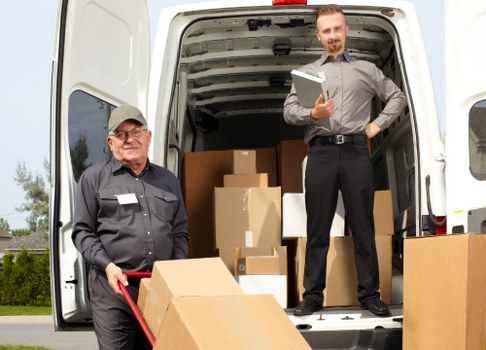
Transport is another major part of our sustainability strategy. We are gradually expanding our use of low-carbon vans for collections, deliveries, and local transfer journeys. These vehicles help cut emissions associated with everyday site activity and make it easier to serve nearby areas without relying heavily on older, less efficient fleets. Lower-emission vehicles are especially valuable in urban and suburban zones where frequent short trips can add up quickly, and where air quality is an important concern for local communities.
Our fleet choices are matched by route planning that keeps journeys efficient. By grouping tasks, reducing unnecessary returns, and prioritising local handling routes, we cut fuel use and support cleaner operations. This approach is consistent with the broader direction of many boroughs, where waste separation, recycling participation, and lower-carbon transport are becoming part of everyday environmental expectations. For Hampton Wick Storage, that means our sustainability commitments are not isolated gestures but part of a joined-up process.
 Another area of focus is the careful handling of specialist waste. Certain items, such as damaged electrical equipment, batteries, fluorescent tubes, and metal fittings, require dedicated recycling routes rather than general disposal. Where appropriate, we ensure these materials go to authorised recycling processors so that recoverable components can be extracted safely. This type of operational detail matters, because good sustainability depends not only on broad goals but on consistent handling at every stage.
At the heart of our environmental approach is the idea that storage businesses can contribute positively to local sustainability by managing materials responsibly. We believe that Hampton Wick Storage recycling should be practical, visible, and measurable, with clear targets and steady improvement. That is why our recycling percentage target is reviewed regularly, alongside waste audits and operational checks, so that we can keep improving recovery rates and reduce the volume of waste sent for disposal.
 We also continue to promote a culture of awareness among our teams, encouraging careful sorting, minimal packaging waste, and smarter purchasing decisions. Simple habits, such as using reusable materials where possible and separating recyclable streams from the outset, help reinforce our sustainability goals. In this way, Hampton Wick storage sustainability is not just about where waste goes; it is about how we work from the beginning to the end of each process.
By combining a strong recycling target, partnerships with charities, use of local transfer stations, and low-carbon vans, Hampton Wick Storage is building a more responsible future for storage and logistics. Our commitment to recycling, reuse, and lower-emission operations reflects the needs of the local area and the expectations of boroughs that continue to improve waste separation and materials recovery. The result is a sustainability approach that is both practical and community-minded.